

Travelling to Chongqing for treatment — planned before you fly, and followed up after you are home.
This is the patient-facing guide to treatment at Chongqing West District Hospital when you are coming from abroad. It covers the whole journey in plain English: how to decide honestly whether to travel, what a remote assessment can and cannot establish, what to prepare, how to time the trip around the clinical plan, where to stay, how interpretation and payment are handled, and who to contact if something goes wrong. It does not describe what the centre sells — it describes what the journey actually involves.
A remote opinion is not a diagnosis. Nothing here is guaranteed, revision may mean travelling again, and arrangements should always be confirmed in writing — those are the assumptions this guide is written on.
- Remote assessment before you travel
- Written plans and written estimates
- Interpretation and consent support
- A named contact across time zones
A journey planned in the right order
Most of what goes wrong for patients who travel is decided before they fly, not during the operation. This is the order we ask you to work in.
Assess remotely, honestly
We start with your records, your imaging and a consultation at a distance. That can tell you whether this team treats your problem, what will be examined on arrival, and whether travelling is worth it at all. It cannot confirm a diagnosis, and we will say so rather than imply otherwise.
Plan the journey around the plan
The clinical plan sets the dates, the length of stay and the earliest date you are likely to be fit to travel. Only then do you book. Documents, records, accommodation, interpretation and payment terms are all confirmed in writing before anything is transferred.
Stay reachable after you go home
Follow-up is arranged before you leave, in two halves: scheduled remote reviews that we run, and a local clinician you have already identified. You leave with written instructions, a review schedule, and a clear escalation route for anything that worries you.
The people you will deal with, before and after you travel
The leadership of the Plastic Surgery & Aesthetics Medical Center at Chongqing West District Hospital, a tertiary general hospital. For international patients the Center Director acts as the named clinical contact, and the wider team provides surgical planning, skin and laser care, and dermatology.

Shaoliang Wang, MD (王韶亮)
Center Director · Named clinical contact
Center Director of the Plastic Surgery & Aesthetics Medical Center and the named clinical contact for international patients. He reviews records sent from abroad, gives the surgical opinion that decides whether a journey is worth making, and is the escalation point if something goes wrong after you leave. 20+ years of tertiary-hospital surgery.
View profile →
Tongchun Mao, MD (毛彤春)
Deputy Director · Head of Aesthetic Surgery
Deputy Director and head of aesthetic surgery. He is the surgeon most patients meet first when a plan involves an operation, and the person who decides the order of steps when more than one is needed. Over 700 operations a year.
View profile →
Ke He, MD (何锞)
Deputy Director · Head of Skin & Laser Aesthetics
Deputy Director and head of skin and laser aesthetics. She assesses skin quality before anything else is planned, leads laser-based scar and pigment aftercare, and prepares much of the written aftercare material patients take home.
View profile →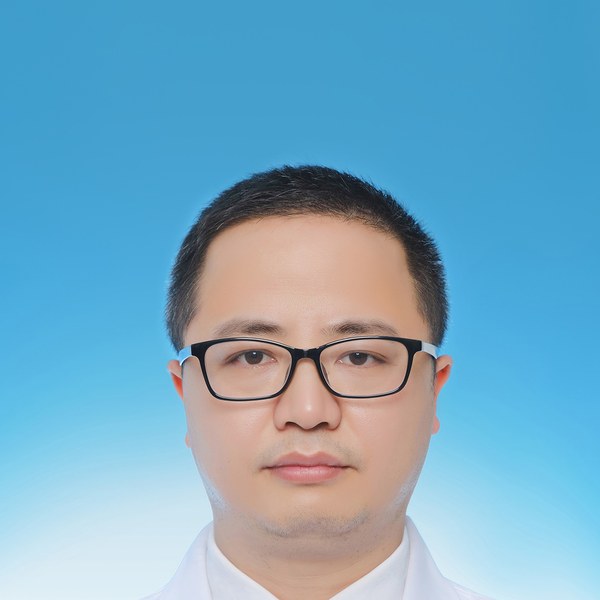
Yongbo Jia, MD (贾勇波)
Deputy Director · Head of Dermatology
Deputy Director and head of dermatology. He assesses the medical condition of the skin before a procedure, manages pigment and barrier problems, and answers the dermatologic questions that come up in a remote review after you are home.
View profile →The journey, explained honestly
These guides are written for someone who is considering travelling for treatment, or who has already decided to and wants to know what happens next. They cover the decision, the remote assessment, documents and records, timing, accommodation, interpreters, payment, remote follow-up, escalation, the flight home, and what no clinic anywhere can promise.
Deciding Whether to Travel for Treatment
The honest trade-offs of travelling abroad for surgery: what you gain, what you give up, and why continuity of care and revision planning belong in the decision from the start.
Read the guide →Why a Remote Assessment Comes First
What a remote assessment can and cannot establish before you travel, why it is a planning conversation rather than a diagnosis, and what to send so that it is worth having.
Read the guide →Travel Documents and Medical Visa Preparation
What to have ready before you apply to travel for treatment, and why the applicable authority — not a clinic or a website — is the only source of truth on entry requirements.
Read the guide →Timing Your Trip Around Surgery
Why the length of your stay should be set by the clinical plan rather than by the flight you would prefer to book, and what has to be fixed before any dates are chosen.
Read the guide →Accommodation and Logistics Near the Hospital
What to look for in accommodation near the hospital, why proximity matters most in the first days after surgery, and the logistics worth arranging before you arrive.
Read the guide →Interpreters and Language Support When You Travel
How consultations, consent and aftercare are conducted across a language barrier, and why a professional interpreter is part of clinical safety rather than a convenience.
Read the guide →We will not sell you certainty we do not have
Travelling for treatment can produce an excellent result, and it can also produce a result that needs revision in a place that is now far away. We will not pretend otherwise. A remote opinion is a plan, not a diagnosis. No outcome is guaranteed, and results vary with anatomy, healing and how closely aftercare is followed. Any figure you are quoted should be itemised in writing, with its exclusions stated. Entry requirements are set by the applicable authority and insurance cover by your own insurer — never by this website. Our job is to help you decide well, including deciding not to travel.
Start with a remote assessment, not a flight booking
Reach out before you book anything. We will explain what a remote assessment can and cannot establish, what to prepare, and what a realistic timetable looks like — and we will tell you plainly if travelling is not the right answer for your case.
Part of Coming from Overseas — 5 sites on this topic